Key Takeaways
- Myopia makes distant objects look blurry while close objects typically remain clear.
- Family history and frequent screen time can increase the risk of nearsightedness.
- Children rarely notice vision changes on their own.
- Early eye exams help track eye health from a young age.
- Myopia control methods, like specialty glasses and outdoor time, support long-term vision health.
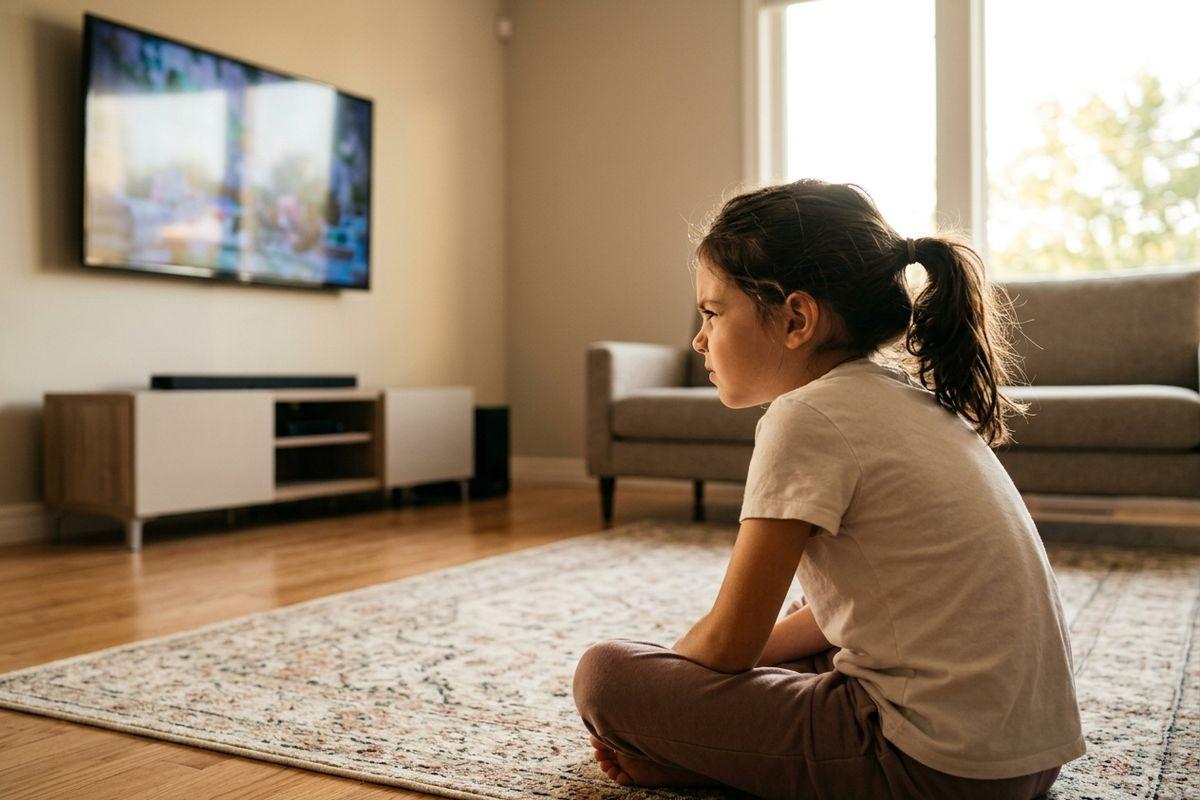
Have you noticed your child squinting at the television from across the room? Maybe they come home from school rubbing their eyes and complaining about a headache.
Myopia (nearsightedness) is a common condition where distant objects look blurry while close-up tasks, like reading a book or drawing on a tablet, remain sharp. Children adapt quickly to vision changes, they often assume everyone sees the world in a blur.
At Airdrie Family Eye Doctors, we look beyond standard prescriptions. Our goal isn’t just to help your child see clearly today, but to actively slow down eye growth to protect their long-term sight for tomorrow.
Why Is Myopia Progressing So Fast?
Myopia occurs when the eyeball grows too long, or the cornea is too curved. This prevents light from focusing directly on the retina.
While genetics play a role (a child is much more likely to develop myopia if one or both parents are nearsighted), lifestyle habits are accelerating vision changes in kids earlier than ever. These can include:
- Screen time: Extended periods spent staring at tablets and smartphones.
- Lack of outdoor light: Missing out on essential natural daylight that supports healthy visual development.
- Age of onset: Myopia typically shows up between ages 6 and 10. The younger it starts, the faster it tends to progress.
Signs Your Child Might Be Nearsighted
Children rarely have the words to describe a vision problem. Watch for these daily behaviours instead:
- Squinting at distant objects like street signs or the TV
- Sitting unusually close to screens or holding books right up to their face
- Frequent complaints of headaches or tired, strained eyes after school
- Struggling to read the board from the back of the classroom
Why Early Eye Exams Matter
Catch Changes Early
Kids rarely notice vision changes on their own. The world simply fades into a gentle blur over a few months. They adjust their habits to cope with the problem instead of asking for help.
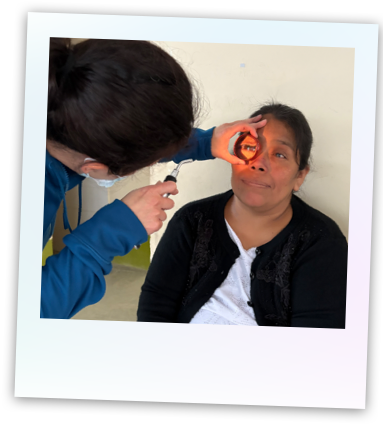
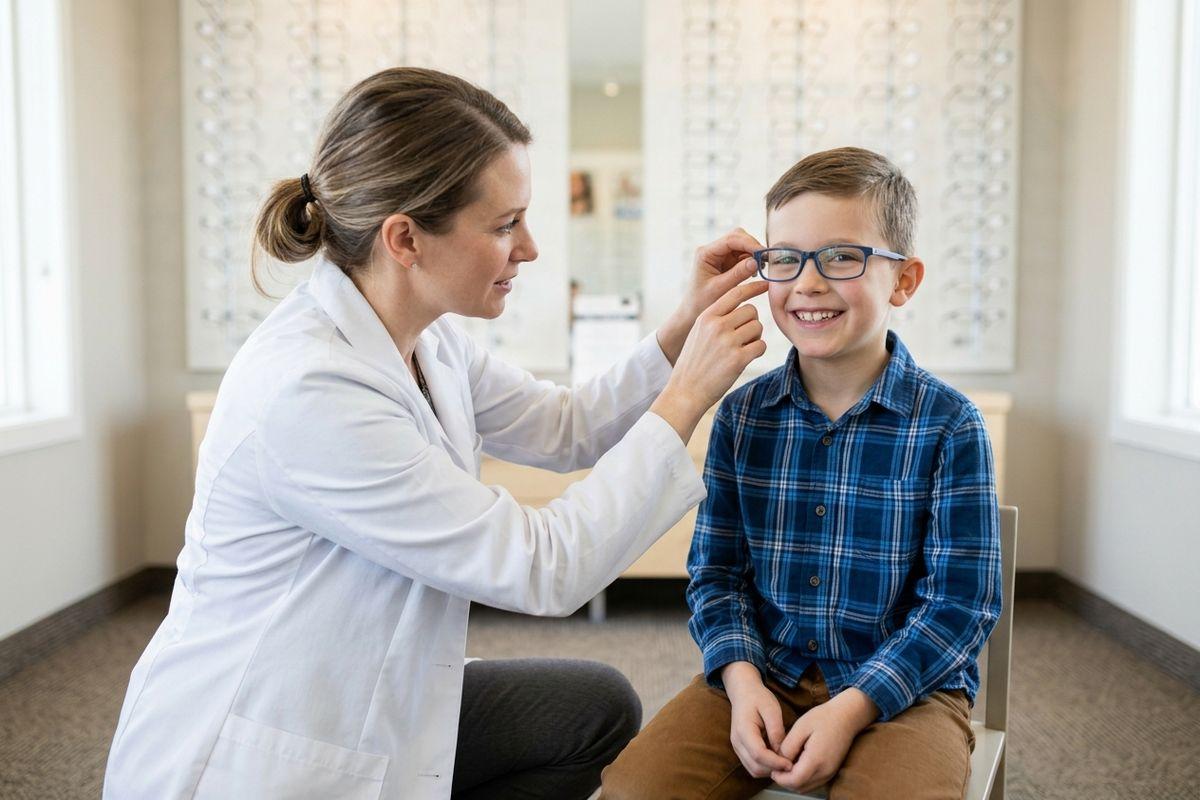
Regular visits to the optometrist help track eye health at a young age. Your eye doctor can measure small shifts in vision before they become obvious at home. Catching these changes early provides more options to help your child maintain comfortable sight.
Support School Performance
A busy classroom relies heavily on visual information. Clear vision helps kids read the board from the back row.
They can follow along with a math lesson without straining their eyes. Good vision improves focus during class time. Your child can concentrate on learning instead of fighting to see the letters written in front of them.
The Danger of High Myopia
Simple distance glasses help kids see clearly, but standard lenses do not stop the eye from continuing to elongate.
Rapidly progressing myopia can lead to high myopia, which significantly increases the risk of serious vision-threatening eye diseases later in life, including:
- Retinal detachment
- Glaucoma
- Myopic macular degeneration
- Early-onset cataracts
Slowing this progression while your child’s eyes are still growing is the most effective way to safeguard their long-term health.
Options to Manage Nearsightedness
Every child’s lifestyle and visual needs are different. We offer a full spectrum of evidence-based control options designed to slow down the progression of nearsightedness.
Low-Dose Atropine Eye Drops
Specialized eye drops used at bedtime that safely relax the eye’s focusing mechanism and slow down progressive elongation. These are often used together with another myopia management option.
Glasses and Lenses
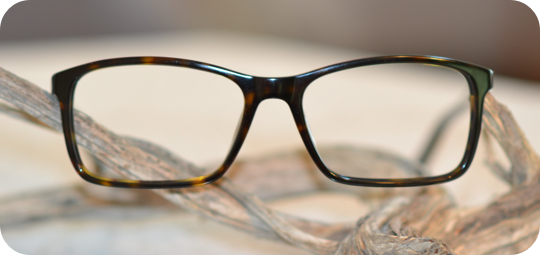
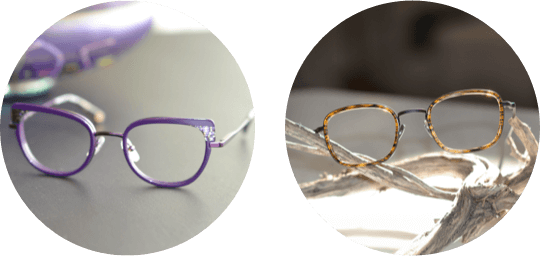
Beyond traditional glasses, we fit innovative spectacle lenses designed specifically for myopia management, including D.I.M.S. (defocus incorporated multiple segments) and C.A.R.E. (cylindrical annular refractive elements) technologies, as well as specialized multifocals.
Contact lenses are also an option, including:
- Ortho-k (orthokeratology): Custom overnight lenses worn while sleeping. They gently reshape the front of the eye so your child can enjoy crisp, glasses-free vision all day long. They are ideal for active kids, swimmers, and young athletes.
- MiSight® 1 Day: The first FDA-approved daily soft contact lens proven to slow myopia progression in children as young as 8.
- Acuvue® Abiliti™ 1-Day: Soft daily disposable lenses designed specifically for growing eyes, offering integrated UV protection and research-backed myopia control.
Ready to Protect Your Child’s Vision?
A routine eye exam sets your child up for success. You can book an appointment with your eye doctor in Airdrie to check their vision.
Our team at Airdrie Family Eye Doctors is ready to help your family. Together, we’ll build a customized care plan tailored to your child’s lifestyle.