
Key Takeaways
- Diabetic retinopathy happens when high blood sugar damages small blood vessels in your retina.
- Early stages often bring no pain or vision changes, so your eyes can feel fine.
- A dilated eye exam gives your eye doctor a wide view of your retina, macula, and optic nerve.
- Retinal scans and dilation work as a team, not as swaps.
Between packing lunches, work meetings, and hockey practice, your own health can slide to the bottom of the list. If you live with diabetes, your eyes deserve a spot near the top, and our team at Airdrie Family Eye Doctors can help make that part easy.
Regular dilated eye exams matter because diabetic retinopathy often has no early signs, and a dilated exam lets your eye doctor spot changes before you notice them. Through our clinic’s diabetic eye exams, an eye doctor in Airdrie can help you protect your vision for school concerts, road trips, and everything in between.
What Is Diabetic Retinopathy?
Diabetic retinopathy happens when high blood sugar damages the small blood vessels in your retina. Your retina is the tissue at the back of your eye. It can affect people with type 1 or type 2 diabetes.
Why It Often Has No Early Signs
In the early stages, you may not feel any pain or notice vision changes. Your eyes can feel completely fine while changes happen quietly in the background.
That’s the tricky part.
An eye exam can catch these changes before you notice them, which gives you and your care team more time to plan.
Who Has a Higher Risk
Your risk can be higher in these situations:
- You’ve lived with diabetes for a longer time.
- Your blood sugar, blood pressure, or cholesterol is hard to manage.
- You’re pregnant and already live with type 1 or type 2 diabetes.
Signs to Watch for as Retinopathy Progresses
As retinopathy progresses to later stages, you may start to notice changes. Keep an eye out for these signs:
- Your vision looks blurry or keeps changing.
- You see new floaters or dark spots.
- Parts of your vision look patchy or missing.
Sudden vision changes need care right away, so call the clinic if something new appears.
Why Dilated Eye Exams Matter for People with Diabetes
What Your Eye Doctor Can See
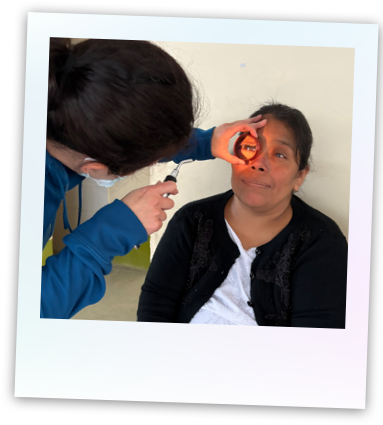
Think of dilation as opening the curtains for a full look around the room. The drops give your eye doctor a wide view of your retina, macula, and optic nerve.
Your eye doctor can check for swelling, cataracts, and other diabetes-related changes. Photos and OCT scans can also track how your eyes change from year to year.
Retinal Scans vs. Dilation
Standard retinal scans without drops are handy, but they capture a smaller area. The edges of your retina can be missed. Scans and dilation work as a team, not as swaps, and together they give a fuller picture.
What to Expect at Your Dilated Eye Exam

Before Your Visit
Good news. You don’t need to fast or change your medications. Bring these items to your appointment:
- Your current medication list.
- Your recent A1C numbers.
- A pair of sunglasses, your new favourite accessory.
After the Drops
The drops can sting briefly. After that, close-up things like your phone screen or a grocery list can look blurry for a while.
Light sensitivity can last about 4 to 6 hours, which is where those sunglasses earn their keep. For your first visit, arrange a ride home so you can sit back and relax.
How Often Should You See an Eye Doctor?
Exam Schedule Guidelines
How often you visit depends on your type of diabetes and your eye health. These general guidelines can help you plan:
- With type 2 diabetes, get an exam at diagnosis, then at least once a year.
- With type 1 diabetes, start yearly exams within 5 years of diagnosis.
- If changes appear or during pregnancy, you may need visits every 3 to 6 months.
Ways to Help Slow Diabetic Retinopathy
Your eye doctor and your diabetes care provider can team up to support you. Managing your blood sugar, blood pressure, and cholesterol can help slow changes in your eyes.
For later stages, treatments such as injections or surgery may help manage the condition.
Make Your Yearly Exam Easy to Remember
Book your next visit before you leave, and it’s one less thing to juggle.
When back-to-school season rolls around next year, pair your exam with your family’s back-to-school eye exams. Everyone gets checked in one trip, and you get to cross a big item off the family calendar.
Book Your Diabetic Eye Exam with Airdrie Family Eye Doctors
Your eyes work hard for you every day, from bedtime stories to late-night drives home. A yearly dilated exam is a small step that can help protect your vision for the long haul. Reach out to Airdrie Family Eye Doctors to book your diabetic eye exam, and our team can help you stay one step ahead.