Key Takeaways
- Eye side effects during breast cancer treatment are less common, though they’re still worth watching.
- Dryness, watery eyes, blurry vision, and eyelid changes may show up during some treatments.
- Chemotherapy, hormone therapy, and radiation have each been linked to vision changes.
- In some cases, changes may stop when treatment ends.
- A baseline eye exam before treatment gives our team something to compare against later.
You expect fatigue. You expect the appointments, the schedules, the long days. What often surprises people is the moment reading a book feels harder than it did last month, or headlights on Highway 2 seem to smear across the windshield. At Airdrie Family Eye Doctors, whether you or a loved one is going through breast cancer treatment, we want you to understand what changes to be mindful of and when to book an eye exam.
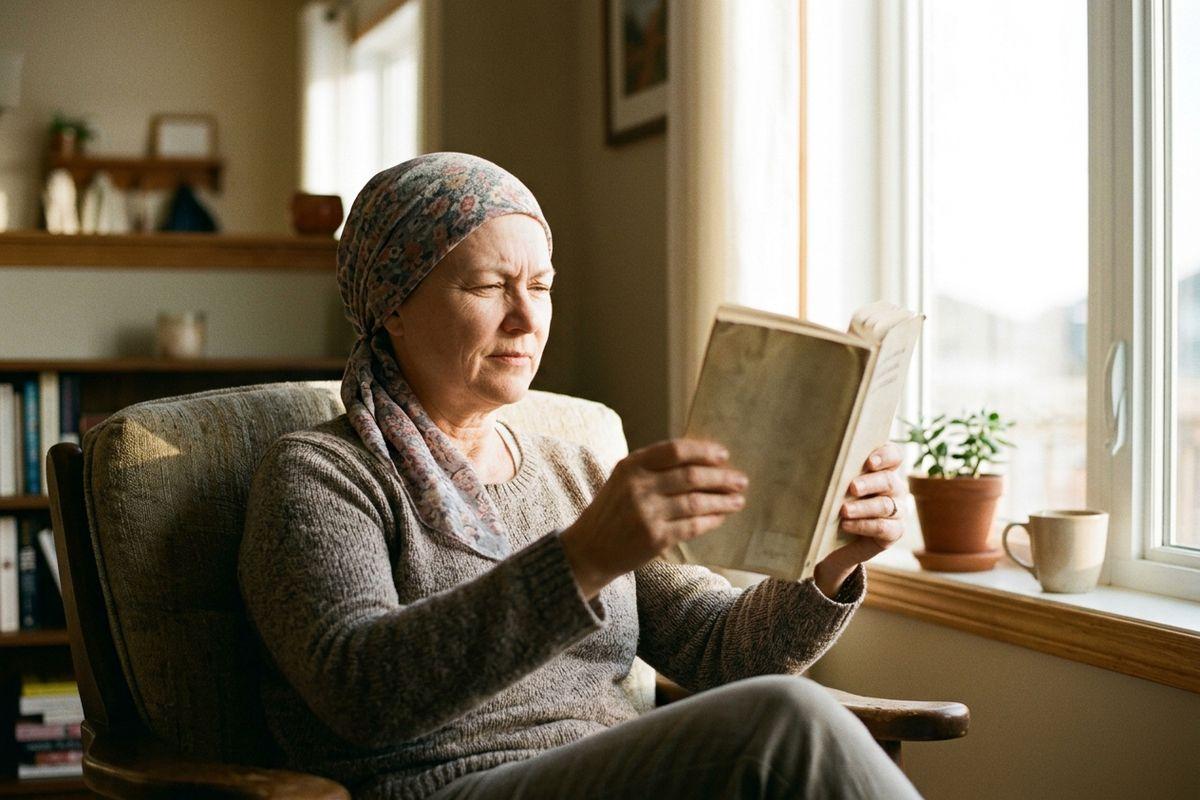
Breast cancer treatment can affect your eyes in ways like dryness, watery eyes, blurry or double vision, floaters, and eyelid or lash changes. Eye side effects don’t get much attention during treatment, and they don’t happen to everyone. Still, comfort while reading, driving, or looking at a screen can feel different than it used to, and that’s worth mentioning to your eye doctor.
Eye Changes You May Notice During Treatment
Breast cancer treatments can sometimes affect your eyes and vision, although the effects vary depending on the treatment. If you notice changes, let your cancer care team know. Your eye doctor can also help you understand what might be causing your symptoms and how to manage them.
Dry Eye
Some breast cancer treatments can contribute to dry eye, which may cause symptoms such as:
- Eyes that feel dry, scratchy or irritated
- A gritty feeling, as though something is in your eye
- Excessively watery eyes, which can happen when your eyes respond to dryness or irritation
- Blurry vision that comes and goes
If you are experiencing these symptoms, dry eye therapy may help. Our team can assess your symptoms and discuss options to keep your eyes comfortable.
Floaters and Flashes
Floaters look like small specks, threads or cobweb-like shapes that drift across your vision. You may notice them more against a bright background, such as a white wall or blue sky. Flashes appear as brief streaks or flickers of light.
Although some floaters are harmless, a sudden increase in floaters or new flashes can signal a serious eye problem, such as a retinal tear or detachment. Seek urgent, same-day eye care if you notice these changes, especially if you also experience a shadow or curtain across your vision. Do not wait for your next scheduled appointment. If you cannot access urgent eye care, go to an emergency department.
Lash and Eyelid Changes
Some cancer treatments can affect your eyelashes and eyelids. You may notice that your lashes become thinner or fall out, or that your eyelids become swollen, irritated or crusty. If these changes make your eyes uncomfortable, let your cancer care team know. Your eye doctor can also help assess your symptoms and recommend appropriate care.
Treatments Linked to Vision Changes
Chemotherapy and Targeted Drugs
Some chemotherapy and targeted cancer medications can cause eye-related side effects, such as dry eye, watery eyes or inflammation of the eye’s surface. The effects vary depending on the medication, and some may improve after treatment ends or with appropriate care. If you notice changes in your eyes or vision, let your cancer care team know. An eye doctor can also help assess your symptoms and discuss ways to manage them.
Hormone Therapy
Hormone therapies used to treat breast cancer can also affect eye health. If you take hormone therapy and notice changes in your vision or eye comfort, let your cancer care team and eye doctor know. Be sure to mention your medication during eye appointments so your care team can consider any potential effects.
Radiation Therapy
Radiation can affect the eyes and surrounding tissues when these areas are exposed during treatment. Depending on the treatment area, possible effects may include irritation, skin changes around the eyelids or eyelash loss. These effects are more relevant when radiation is directed near the eyes, rather than to the breast alone.
If you notice changes in your eyes or vision during or after treatment, speak with your cancer care team or eye doctor. Keeping up with recommended eye appointments can help you address concerns and get the care you need.
Simple Ways to Keep Your Eyes Comfortable
Small habits go a long way when your eyes feel irritated. Blink often during screen time, especially during long stretches of computer work or scrolling, since focused attention tends to slow your blink rate without you noticing.
A warm compress can help soothe irritated lids. Use a separate, clean cloth for each eye so nothing travels from one side to the other.
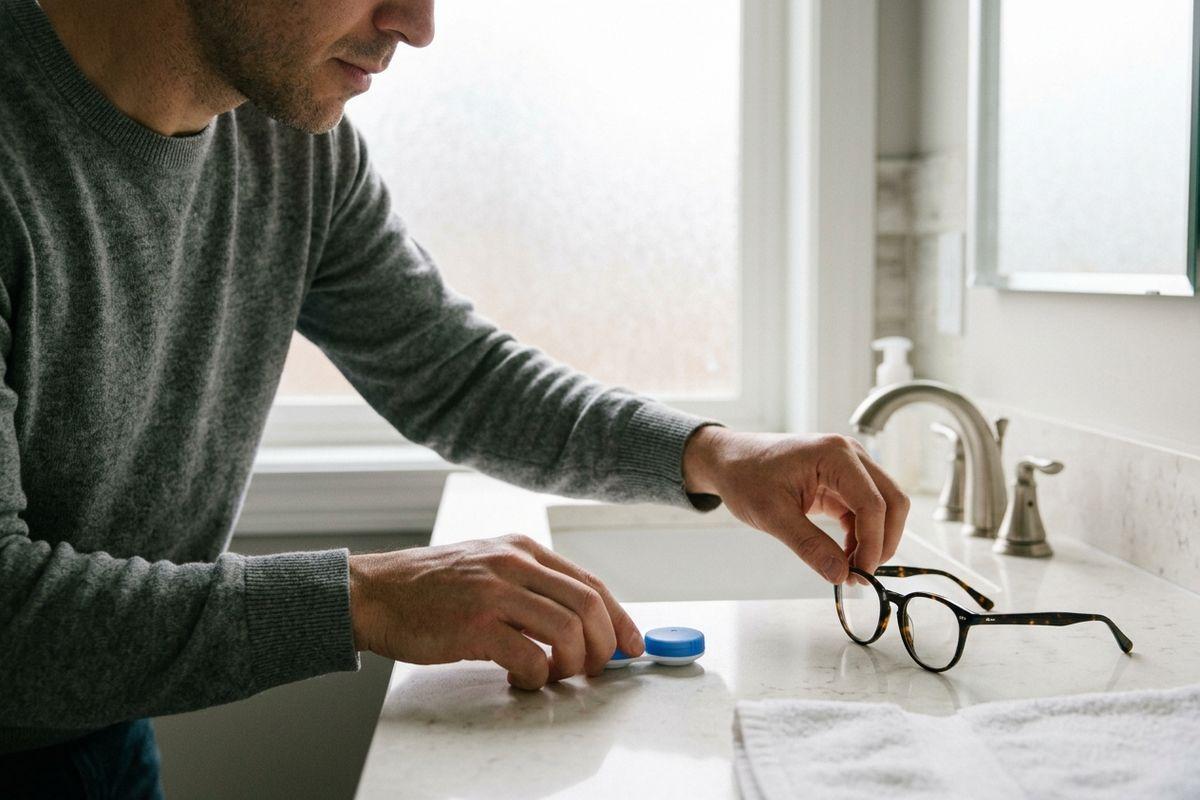
If contacts feel scratchy, switch to glasses until things calm down. Your eyes get a break, and you skip the daily handling that irritated eyes don’t need.
When to Book an Eye Exam in Airdrie
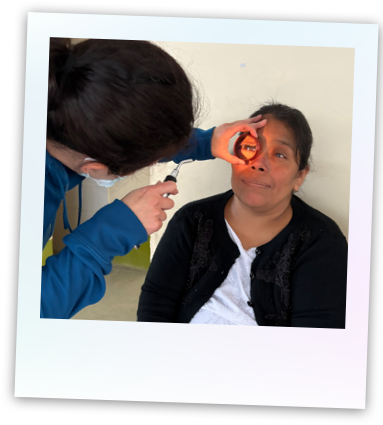
A baseline eye exam before treatment starts gives our team a clear record of how your eyes look and work right now. Later on, that record makes it easier to spot what’s changed and what hasn’t.
From there, regular checkups during and after treatment help detect any signs of changes that may be causing discomfort. Any sudden vision change, a new curtain of floaters, flashing lights, or a dark spot is a reason to see an eye doctor in Airdrie promptly.
During your visit, your eye doctor checks the health of your retina, lens, and tear film. Colour vision and central vision get tracked over time too, so small shifts don’t slip by unnoticed.
Book Your Next Eye Exam
Cancer treatment is enough to manage without wondering whether to be concerned about vision changes. Our team at Airdrie Family Eye Doctors can look at what’s going on, explain what we find in plain language, and follow your eyes through treatment and beyond. Book your eye exam today.