
Key Takeaways
- Binocular vision dysfunction (BVD) can happen when your eyes struggle to work together as a team.
- Headaches, double vision, and dizziness may not be just “part of the day.” They could be signs of BVD.
- If your child is squirming during homework or falling behind in reading, their eyes might be the culprit.
- Standard eye exams check how well you see, but we also check how your eyes work together.
- Prism lenses and vision therapy can help reduce strain and retrain eye teamwork.
You sit down to read your favourite book, and within minutes, your head starts throbbing, and the words begin to swim. You might blame a long day or too much screen time, but sometimes, the real reason is a bit more… complicated.
This can be binocular vision dysfunction (BVD). In simple terms, it happens when your eyes and your brain struggle to work as a team. Even a tiny misalignment forces your eyes to work overtime just to keep one clear picture. That constant “overtime” can really wear you out during reading, driving, or even playing sports.
If you’re dealing with ongoing headaches, double vision, or dizziness that just won’t quit, it might be time for a BVD test.
Signs Your Eyes Might Be Working Too Hard
BVD can be a bit of a trickster because the symptoms often come and go. Here’s what you should watch for:
Physical and Visual Signs
Your body usually sounds the alarm before you even realize what’s happening. Keep an eye out for:
- That nagging ache around your forehead or temples.
- Vision that goes fuzzy or doubles, even just for a split second.
- General eye strain, sensitivity to bright lights, or a stiff neck after a day of work.
Balance and Daily Life Signs
When your eyes send mixed signals to your brain, your balance can take a hit. Watch for:
- Feeling unsteady or lightheaded for no apparent reason.
- Feeling nauseous in busy crowds or during car rides.
- Skipping over lines or losing your place every time you try to read.
Signs in Children
Kids rarely tell us, “Hey, my eyes aren’t working together!” They show us through their actions instead.
If your child is reading below grade level, reversing letters, or literally squirming in their chair during homework, it might not be a lack of interest; it might be their eyes!
What Often Gets Mistaken for BVD
BVD is a master of disguise. Its symptoms often mimic other conditions, which can be frustrating for families. Chronic headaches, anxiety, and even ADHD symptoms can sometimes be related to how your eyes are coordinating.
Remember, a routine eye exam typically checks if you can read the letters on the chart, but it doesn’t always test how well your eyes are “teaming up.” That’s the gap we love to bridge here at our Airdrie clinic!
How We Test for BVD
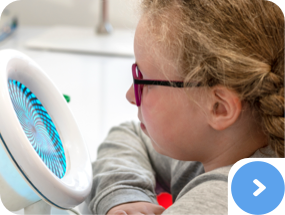
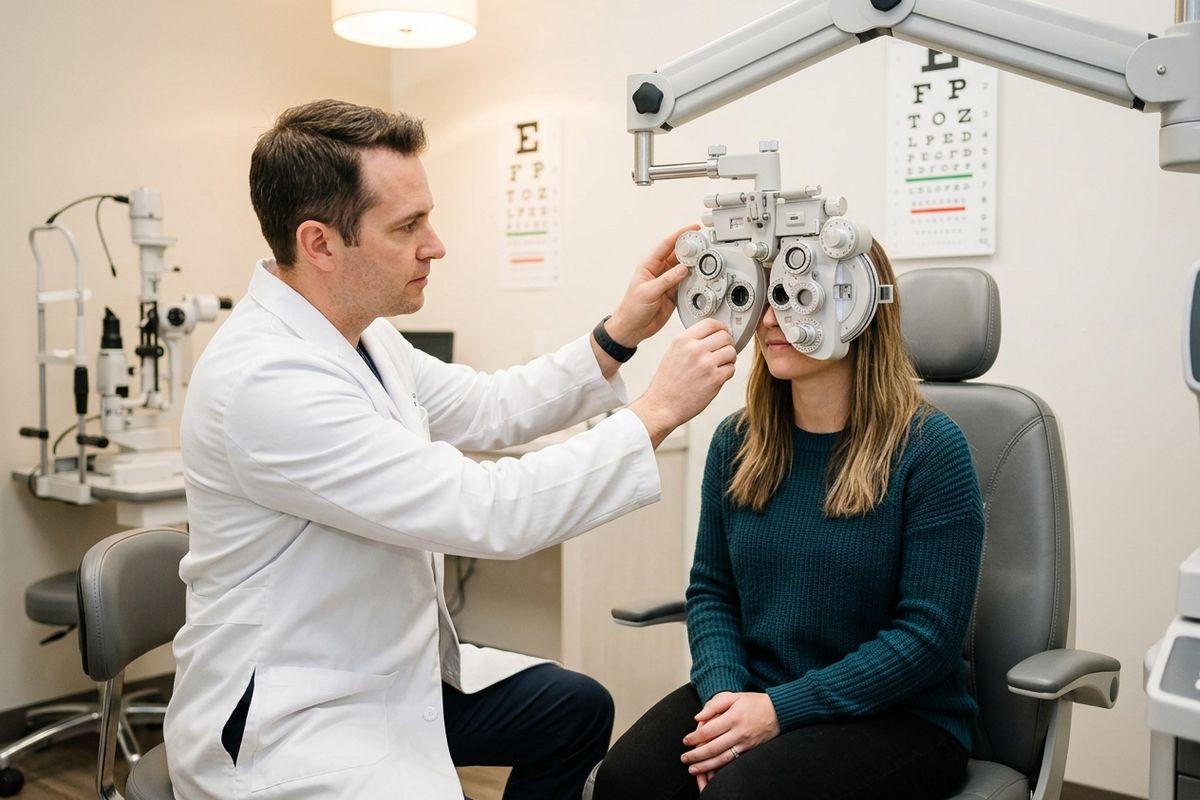
Testing for BVD is a bit like a team-building exercise for your eyes. We don’t just look at how clearly you see; we measure how your eyes line up, how they track moving targets, how they shift focus from near to far, and how your eyes and brain are processing information. It’s an assessment that goes way beyond the standard chart. It’s about seeing how your eyes function as a pair so we can match a solution to your daily life.
Treatment Options: Helping Your Eyes Work Together
Once we know what’s going on, the good news is that we have ways to help, including:
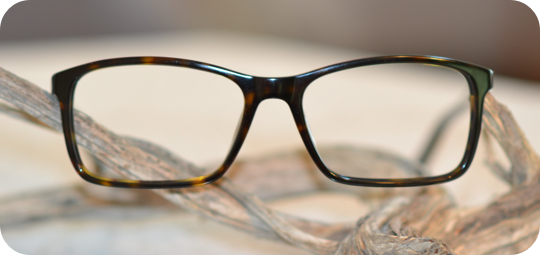
- Prism lenses: These can be built right into your glasses to gently bend light, taking the “weight” off your eye muscles.
- Vision therapy: Think of this as a personalized workout plan to help retrain your eyes to work together comfortably.
For kids, early support helps them feel confident and focused before the school-year frustration sets in.
Ready to See Things Clearly?
You don’t have to just live with dizziness or headaches. If these signs sound familiar, our team at Airdrie Family Eye Doctors is here for you. We love helping our local Airdrie neighbours see the world better.
Book your eye exam with us today and let’s get your eyes back on the same team!