

One moment you feel fine, and the next, the room seems to spin, or you feel off-balance for no clear reason. It’s a sensation that can leave you feeling unsure or confused. You might assume it’s an inner ear issue, but our team at Airdrie Family Eye Doctors knows that sometimes the source of dizziness is connected to your vision.
When vision problems contribute to your dizziness, a targeted approach can help your eyes and brain work together more effectively. For many people, vision therapy can help relieve dizziness caused by vision problems by retraining the visual system.
The Link Between Your Eyes and Balance
How Vision Problems Affect Your Stability
Your sense of balance relies on 3 systems working together: Your inner ear, your sense of touch, and your vision. When your eyes don’t work as a team, your brain receives confusing or mismatched signals. Sometimes, this can conflict with information from your other balance systems, leading to issues like double vision, fatigue, strain, and a disorienting feeling of dizziness.
Signs Your Dizziness May Be Connected to Vision
Visual dizziness can feel different from inner ear problems. For example, many people don’t feel like the room is spinning wildly: They just feel as though they are swaying or just feel a little “off.” Pay attention if you experience symptoms that seem to pop up in specific situations, like:
- Feeling off-balance in busy places like a grocery store
- Dizziness when you move your head quickly
- A sense of motion, even when you are standing still
If any of these situations sound familiar, you’re not imagining things. Your visual system does a lot of behind-the-scenes work to keep the world looking stable. When something in that system is off, even slightly, your brain can start to feel like it’s getting mixed messages.
What Vision Therapy Is and How It Works
More Than Just Eye Exercises
Vision therapy isn’t about doing endless eye “push-ups.” Vision therapy is a structured, personalized program designed to improve the connection between your eyes and your brain. It uses a variety of tools and activities designed to gently retrain how your eyes and brain communicate, helping them learn to work together more comfortably.
The Main Goals for Dizziness Relief
For dizziness related to vision, the therapy focuses on helping your visual system function more efficiently. When your eyes can send clear and stable information to your brain, it reduces the mental effort needed to see and can ease your symptoms. The main goals are to:
- Improve how your eyes work together as a team
- Enhance your visual tracking and focusing abilities
- Help your brain process visual information correctly
Common Conditions and a Fun Fact
Visual Issues That Cause Dizziness
Several specific vision conditions can contribute to feelings of dizziness and imbalance. These issues can go undetected in a standard eye exam because they relate to how your eyes function, not just how clearly you see.
- Binocular vision dysfunction: This occurs when your eyes are slightly misaligned, sending 2 slightly different images to your brain.
- Post Concussion: Your visual system may not be strong enough to ensure stability after a brain injury.
- Poor eye teaming: This means your eyes don’t work together in a smooth and coordinated way, which is a key factor in conditions like amblyopia and strabismus.
A Fun Fact About Animal Eyes
Human eyes work hard to provide a stable view of the world, but other animals have unique adaptations. For example, goats have pupils that are horizontal and rectangular. This shape gives them an incredibly wide field of vision: About 320 degrees.
This panoramic view helps them spot predators approaching from almost any direction without having to turn their heads. It’s a neat trick of nature that helps them stay safe.
What to Expect from a Therapy Program

The Assessment
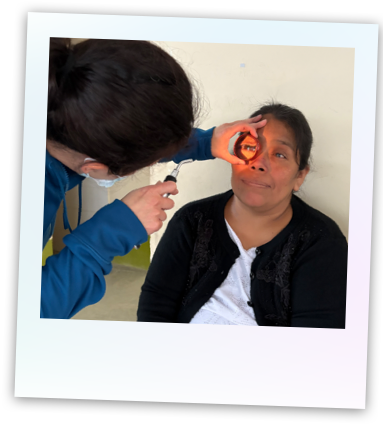
Before any therapy begins, you need a comprehensive assessment to evaluate your visual skills. This goes beyond a typical eye exam and examines your eye’s teaming, focusing, and tracking abilities. This evaluation helps determine whether your dizziness may be related to a vision problem.
In-Office Sessions and At-Home Practice
A vision therapy program typically involves a combination of guided activities in the office and specific exercises to practice at home. The in-office sessions use therapeutic lenses, prisms, and other tools to help retrain your visual system under professional supervision.
The at-home exercises reinforce what you learn during your sessions, helping to make these new visual skills second nature. Your progress is monitored over time to check that the program is working well for you.
Next Steps and Professional Guidance
Find Out if Vision Therapy Is Right for You
If you experience unexplained dizziness or feel visually overwhelmed in certain environments, it’s worth exploring whether a vision problem is involved. The first step is to get a complete assessment that specifically checks for binocular vision issues. During a consultation, you can discuss your specific symptoms and explore personalized treatment options.
Work with a Team for Your Care
Vision therapy is a collaborative process. Each program is tailored to your unique visual needs and goals. With professional guidance, you can work toward improving your visual comfort and stability for the long term.
Start Your Journey to Comfortable Vision
If you are ready to learn more, our team at Airdrie Family Eye Doctors is here to help. The goal isn’t just clearer vision: It’s helping the world feel steady and comfortable again so you can focus on your day instead of wondering why the grocery store suddenly feels like an obstacle course. Take the first step and schedule an assessment to find out if vision therapy could be a good fit for you.